
Cortisol is a steroid hormone released by the adrenal glands.
The production of cortisol in the human body depends on adrenocorticotropic hormone (ACTH), produced by the pituitary gland.
Cortisol receptors are found in almost all cells of the body, so cortisol affects the functioning of the entire body by regulating the work of many organs and systems.
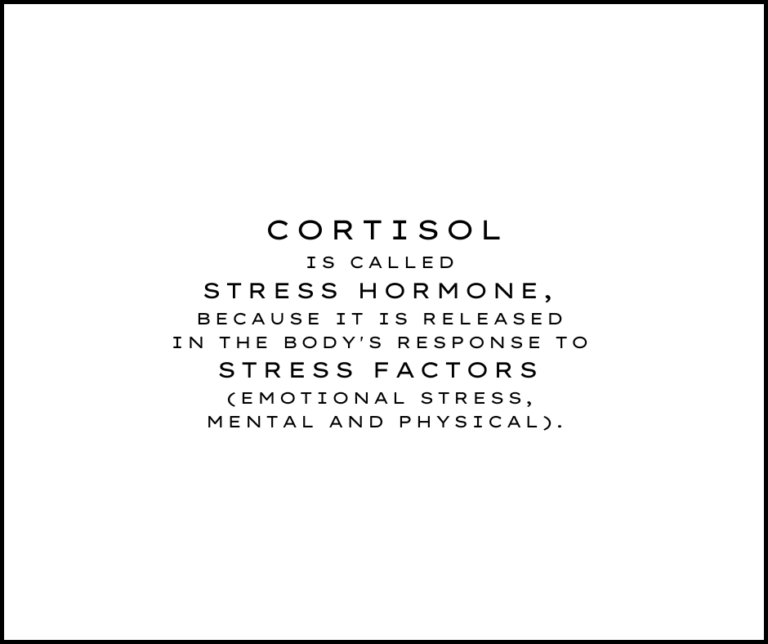
- Cortisol is released in the body’s response to stressors (emotional stress, mental and physical).
Cortisol functions:
– regulation of metabolism: affects the metabolism of proteins, fats and carbohydrates, helping the body obtain energy by increasing the level of glucose in the blood.
– stress response: mobilises energy resources, increasing blood glucose levels.
– anti-inflammatory properties: inhibit inflammatory reactions.
– affects the immune system: it can modulate the immune response, limiting the excessive reaction of the immune system
– regulation of blood pressure: supports the functioning of the circulatory system.
– affects sleep and circadian rhythm: regulates sleep and wakefulness cycles, influences energy levels during the day.
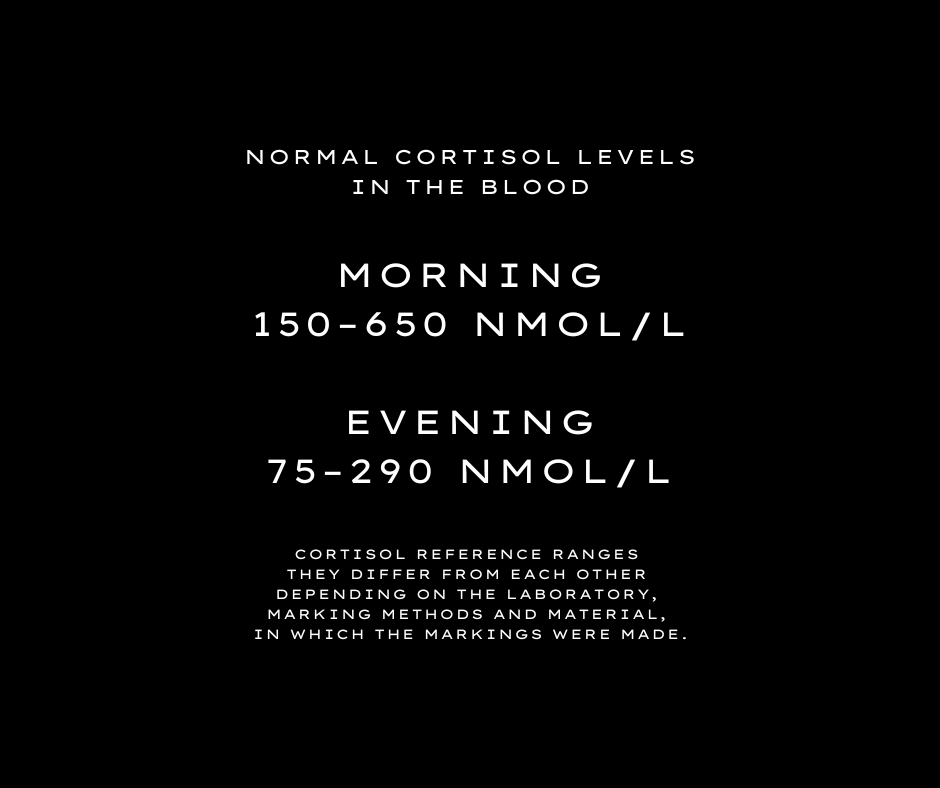
Elevated cortisol may be caused by:
chronic stress,
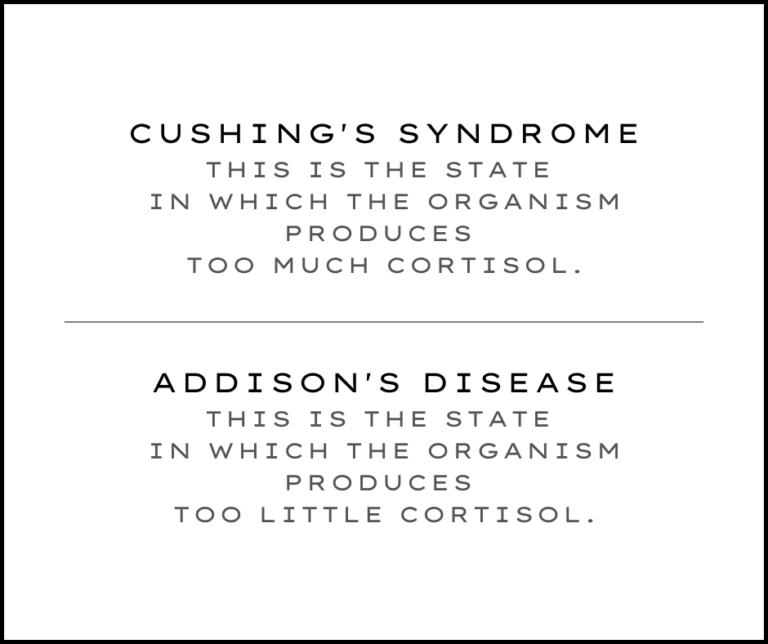
Cushing’s syndrome,
cancer,
depression,
anorexia,
hyperthyroidism or hypothyroidism,
infections and inflammations,
alcoholism,
taking certain medications.
The release of cortisol triggers strong stimulation of the sympathetic nervous system:
– blood vessels narrow and blood pressure increases;
– heart rate increases;
– blood glucose levels increase;
– calcium is released from the bones (muscles contract properly and quickly);
– senses sharpen;
– there is increased production of saliva and sweat;
– pupils dilate.
Chronic elevated cortisol levels can lead to negative effects such as:
weight gain;
reduced immunity and susceptibility to infections;
mental problems, mood disorders, low well-being;
memory, thinking and concentration disorders;
hormonal disorders and autoimmune diseases;
excessive appetite and thirst;
excessive urination;
increase in blood glucose levels;
breakdown of muscle proteins;
trouble falling asleep and insomnia;
hypertension;
skin problems (stretch marks, acne, susceptibility to bruising);
less nourished and oxygenated tissues;
chronic headaches and dizziness;
nervous system disorders (hand tremors, hot flashes, sensory disturbances, lower pain threshold, convulsions, paresthesia);
formation of swelling.
Cortisol deficiency can lead to Addison’s disease, the effects of which are:
weakness;
weight loss;
lowering blood pressure;
chronic fatigue;
hypoglycemia (low blood glucose);
loss of appetite;
digestive problems (diarrhea, vomiting, nausea);
excessive salt cravings;
changes in skin pigmentation (dark spots).
Stress is one of the main factors influencing the condition of the skin.
Symptoms of severe stress on the skin include:
– damaged hydrolipid layer (dry, irritated, hypersensitive skin),
– accelerated aging processes (wrinkles, loss of skin resilience and elasticity),
– dark circles under the eyes, swelling and puffiness,
– emerging efflorescences, acne and sebum overproduction,
– gray, earthy, dull skin,
– tired facial expression,
– dehydrated skin,
– discoloration, spots and changes in skin tone,
– slowed keratinisation of dead epidermis cells (clogged pores, blackheads and pimples),
– dilated capillaries, redness and red spots,
– itching, burning and unpleasant skin tension.
Reducing cortisol levels:
– relaxation (hobby, passion, relaxation activities);
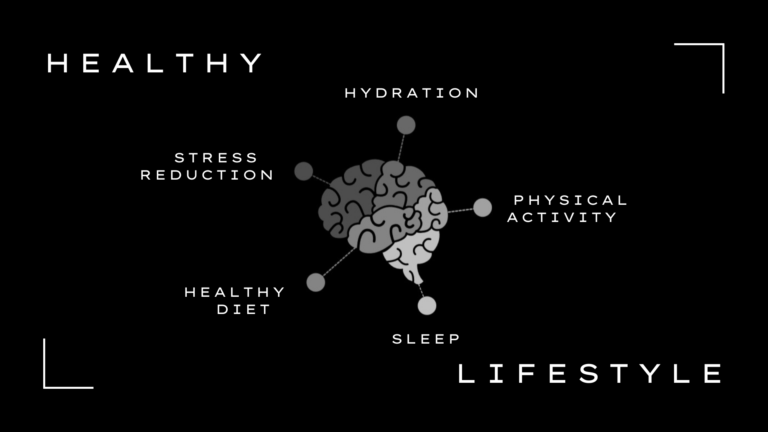
– stress management (meditation, yoga, breathing techniques);
– taking care of a healthy diet and adequate hydration,
– taking up physical activity and adapting training to individual capabilities,
– adequate amount and hygiene of sleep,
– avoiding unhealthy habits,
– practicing self-care,
– spending time in nature,
– setting boundaries,
– practicing mindfulness,
– taking up challenges,
– taking control of your life,
– supplementation (l-theanine, maca root extract, rhodiola rosea extract, ginkgo biloba extract, ashwagandha, montmorency cherry extract, passion fruit extract, schisandra fruit extract, basil leaf extract, omega-3) .
Cortisol is necessary for the proper functioning of the entire body,
but chronically increased or decreased
it can be really harmful in its consequences.
Regulating its level will allow you to maintain homeostasis in the body.